Chapel Floral Decor on a Budget: A Beginner's Guide Under $300
A $300 floral budget will not fill a chapel wall to wall. It can, however, make a chapel look cared for and complete, if the money lands in the right places. The mistake beginners make is dividing the total into equal thirds and ending up with three arrangements that each look like they belong on a kitchen table. Instead, think in sightlines: what guests see when they walk in, what they see behind the couple, and what they pass on the way down the aisle. Those three views deserve very different amounts of money.
Put the Money Where People Look
Almost every guest photo of a ceremony includes the front of the chapel. That is where the largest share of the budget belongs. One substantial arrangement reads better than three modest ones, because the eye judges size by the whole shape, not by stem count.
If the platform is wide, two arrangements flanking the center work well. If it is narrow, one centered piece plus greenery trailing along the steps does more than two cramped vases. Height matters more than width here: a low bowl disappears behind people standing, while a pedestal or a branchy, upright arrangement stays visible from the back row. Many chapels already have a fixed altar with seasonal flowers, so walk the space first and see what you are truly adding to.
A $300 Split That Actually Fills a Room
These are starting points, not rules. Regional prices, delivery fees and tax will shift them, so treat the total as fixed and the lines as movable.
- Altar or focal point: $110 to $130
- Bulk greenery: $35 to $45, bought separately from the flowers
- Pews: $60 to $75
- Entry or welcome table: $35 to $45
- Mechanics and supplies: $20 to $30 for containers, tape, chicken wire, ribbon and shears
- Contingency: $15 to $20, because something always needs a second bunch
Greenery gets its own line on purpose. Three or four bunches of eucalyptus, ruscus or leatherleaf cost less than a dozen roses and spread volume across every arrangement in the chapel.
Cheap Flowers, Generous Look
Some flowers give far more visual area per dollar than others. Carnations, cushion and football mums, alstroemeria, statice, asters and gypsophila all hold up well, last for days and fill space. Buying with the season helps even more: tulips and daffodils in spring, zinnias and sunflowers in summer, dahlias and hydrangeas in late summer, mums in autumn. Hydrangeas are thirsty and bruise easily, so handle them gently and keep them in deep water.
Then narrow your palette. Two or three varieties bought in quantity will look richer than seven varieties bought one bunch at a time. Large-headed flowers cover more surface, so a bucket of mums can do the work of twice as many smaller blooms. A local grower, a wholesale market early in the morning or a grocery store florist are all reasonable sources; just ask what arrived that week and buy a few extra stems for gaps.
Three Tricks That Make Small Arrangements Read as Full
- Build on a green base that is wider than the container. Let foliage spill over the rim and hang slightly. The arrangement reads bigger, and the flowers sit against something instead of floating in air.
- Cluster instead of scattering. Group three or five of the same flower together at different heights rather than spacing single stems evenly around the vase. Odd numbers and uneven heights look intentional; even spacing looks thin.
- Repeat one flower at different scales. If the altar piece has carnations, use single carnations with a folded leaf at the pews and on the welcome table. The whole room then reads as one design rather than three separate purchases.
Pews and Entry: Spending Less Without Looking Sparse
Consistency matters more than quantity at the pews. A single stem with a sprig of greenery at every other pew looks like a decision. The same treatment at three pews and then a gap looks like a shortage. If the count is tight, decorate the front pews generously and the rest lightly, or use one long greenery swag along the aisle side of the front row instead of many small pieces.
The entry is where non-floral elements earn their keep. Two small arrangements on a welcome table, flanked by candles, lanterns, a borrowed brass tray or a simple framed sign, fill the space for less than a third arrangement would cost. A modest wreath on the door is often the single most photographed item of the day. Before you attach anything to a pew, check with the chapel coordinator: tape, wire and zip ties can damage finishes, and some venues restrict open flames.
Sourcing, Timing and the Week Before
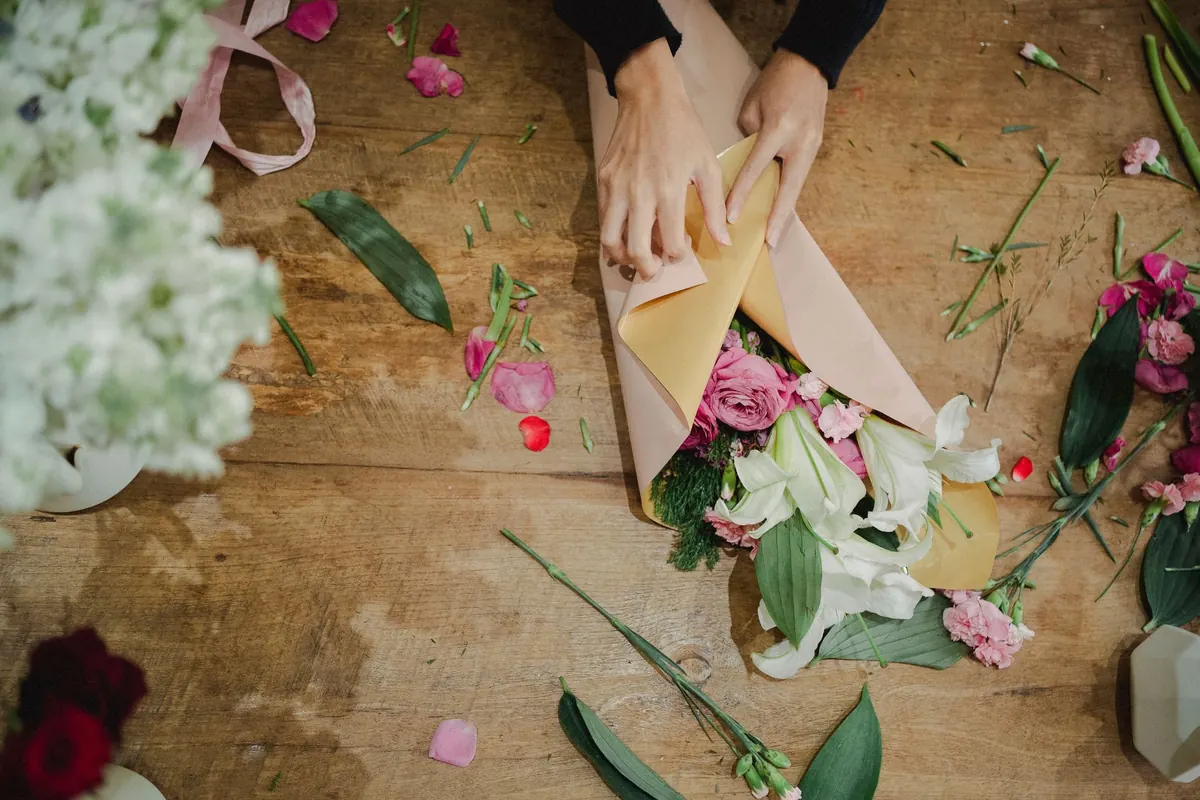
Shop two or three days ahead, then condition everything the same evening: strip the lower leaves, cut each stem on a diagonal, and let the flowers drink in cool water overnight. Build the greenery-heavy pieces a day before, and add delicate blooms the morning of. Keep finished work out of sun and heat, and top up water right before guests arrive.
Where not to cut corners
Water, stable containers and enough mechanics. Chicken wire crumpled into a vase holds stems far better than a loose bunch, and a heavy base keeps a tall arrangement upright. A cheap arrangement that tips over costs more than the flowers saved. Ask one friend to carry a jug and check water levels between the ceremony and the photos.
Finally, decide your number before you shop and add roughly ten percent for delivery and last-minute additions. A realistic $300 spent on one strong altar piece, a consistent pew treatment and a welcoming entry will always beat $300 spread evenly and thinly. Start with the view from the back row, spend there, and let everything else follow it.
Photo: Amina Filkins / Pexels
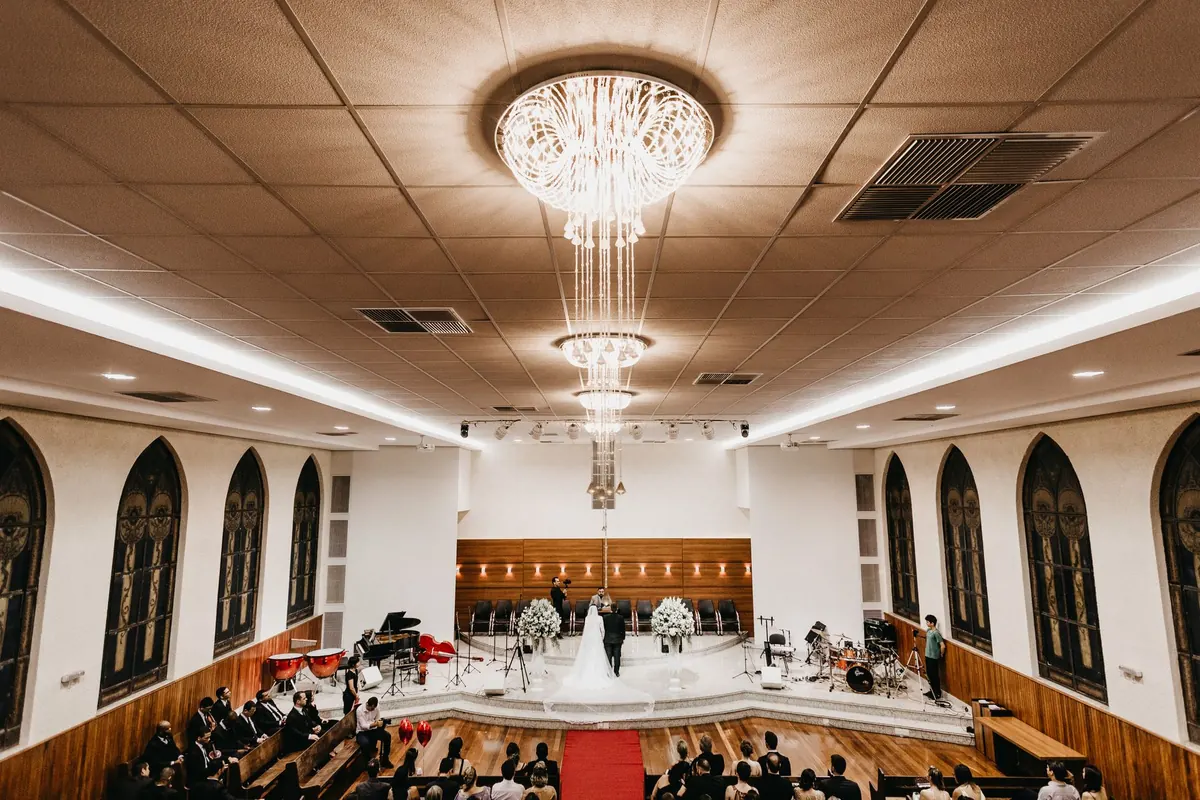
8 Common Chapel Decorating Mistakes and How to Avoid Them
Eight pew-decorating pitfalls that show up in wedding photos and guest complaints, plus practical fixes...
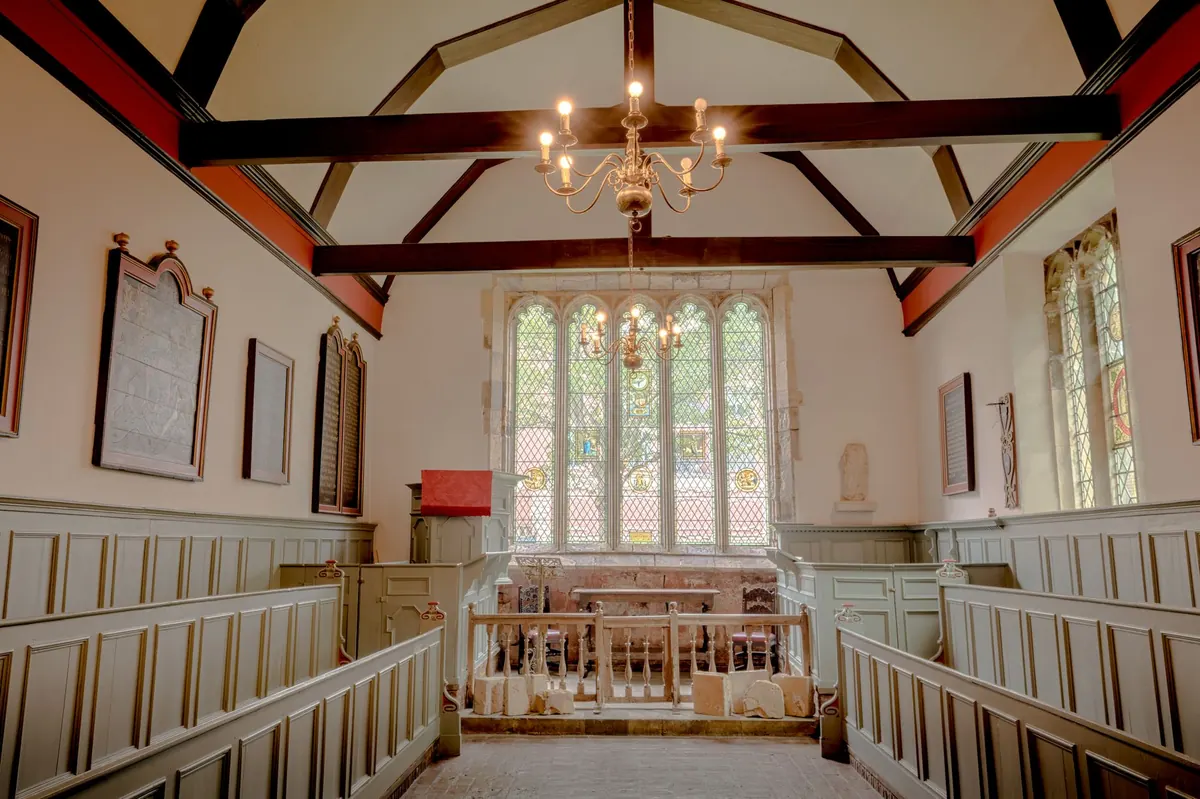
Decorating a Historic Chapel: Preservation-Safe Ideas for Older Buildings
How to decorate historic and protected chapels without harming fragile surfaces — using freestanding...
About Us