Fresh vs. Silk Flowers for Chapel Arrangements: Cost, Look, and Longevity
Some decisions about chapel flowers are purely a matter of taste. This one isn't. The room you're working with — stone walls, tall windows, still air or a cross-draft, pews close to the aisle or a balcony forty feet back — decides whether fresh stems or good silk will look better, last longer, and cost you less over time. Here's how the two compare on the things that actually show up on the day.
Start With What the Chapel Does to Flowers
Chapels are not neutral spaces. Old stone holds cool air and can keep roses beautiful for four or five days. A south-facing window in July can reduce a hydrangea arrangement to limp tissue in a single afternoon, no matter how carefully you conditioned it that morning.
Walk the room before you order anything. Notice where the sun lands at the hour of your ceremony, not at noon when you happen to visit. Check whether the HVAC vents blow directly across the altar, and whether the heavy doors stay open during the service. A draft that feels pleasant on your face dries out petals at the edges of an arrangement, which is exactly where people look first.
Distance matters too. From the back pew, guests read silhouette, mass, and color — not the curl of a petal. Up close at the ends of the pews, they read everything.
Where Fresh Flowers Win
Light and movement
Fresh petals are translucent. Stained glass, candles, and late-afternoon window light pass through them, which is why a real arrangement seems to glow while a silk one beside it can look oddly flat. Real stems also shift slightly with air movement, and that small restlessness reads as alive from across the room.
Scent
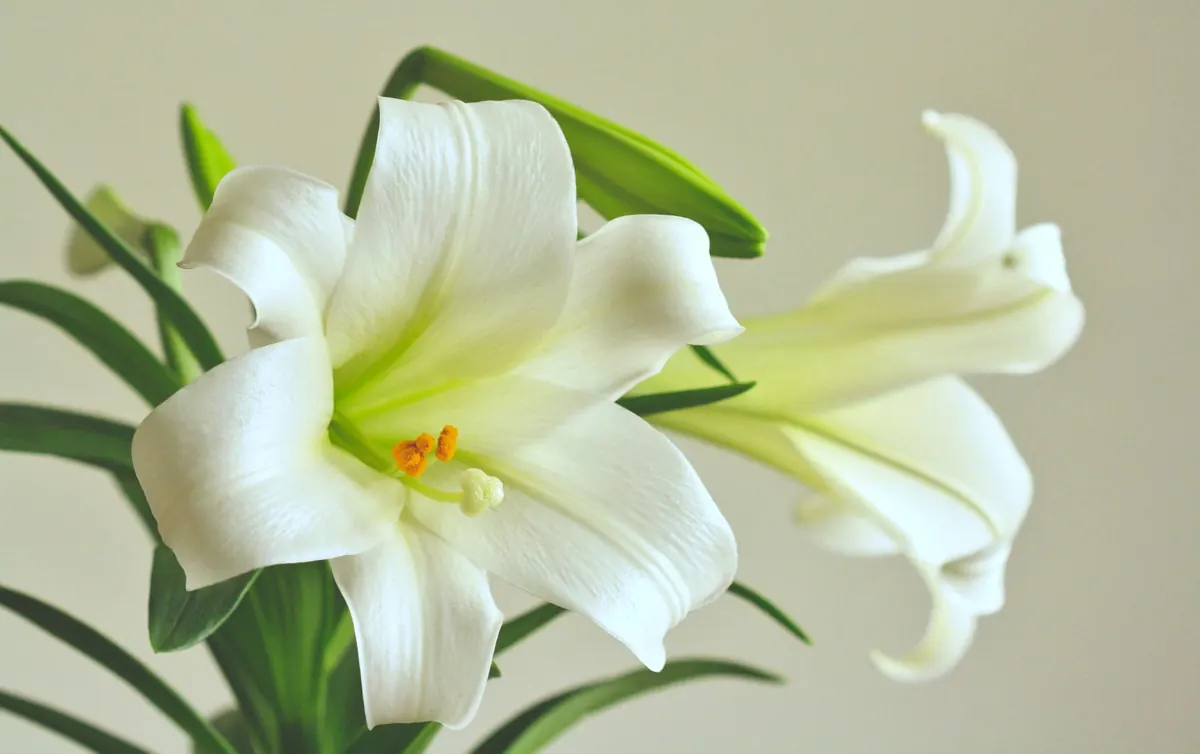
In an enclosed chapel, scent is part of the decor. A few stems of stock or narcissus near the entrance can shape how the whole space feels, in a way no artificial bloom can.
Honesty up close
Fresh flowers photograph beautifully in close, candid shots — hands holding a bouquet, a guest leaning in to smell a lily. Silk is most convincing at ten feet and least convincing at ten inches, so keep that in mind wherever guests will be near the blooms.
Where Silk and Quality Artificial Blooms Win
Artificial flowers solve problems that fresh ones genuinely cannot.
- Heat: A silk arrangement set up the night before in a warm chapel will look identical at 3 p.m.
- No water, no leaks: Nothing to top up, nothing to drip on stone steps or a borrowed runner.
- Timing: No delivery window, no florist arrival during photographs, no 6 a.m. run with buckets.
- Structure: Arches, hanging pieces, and tall pillar arrangements that would be unstable or impossibly heavy in fresh material.
- Travel: Destination chapels, where fresh flowers would need to survive a car or a flight.
- Reuse: The same greenery and blooms can return for a second service, a reception, or a family milestone.
When silk looks wrong
Cheap polyester reads shiny under direct light, and wire stems show at the neck of a bloom. Faded stock pulled from a hot attic looks dusty and gray. If you go artificial, buy fewer, better stems and mix in real greenery — eucalyptus, magnolia leaves, or ivy — to break up the uniformity.
Heat, Allergies, and Air Quality
Fresh flowers carry pollen and scent. Lilies, freesia, hyacinth, stock, and gardenia are the usual suspects in a small, still room, and lily pollen stains fabric, so keep it away from pale upholstery, vestments, and the aisle runner. Guests with asthma or seasonal allergies often do better with lower-scent blooms and no loose pollen. If someone in your party has a known respiratory condition, ask their doctor rather than guessing.
Silk avoids pollen entirely, which is a real advantage in a closed chapel. It brings its own issue: dust. Arrangements stored in a damp basement can smell musty and trigger reactions of their own. Clean them before every use with a soft brush or a cool hairdryer on low, and store them covered in a dry closet.
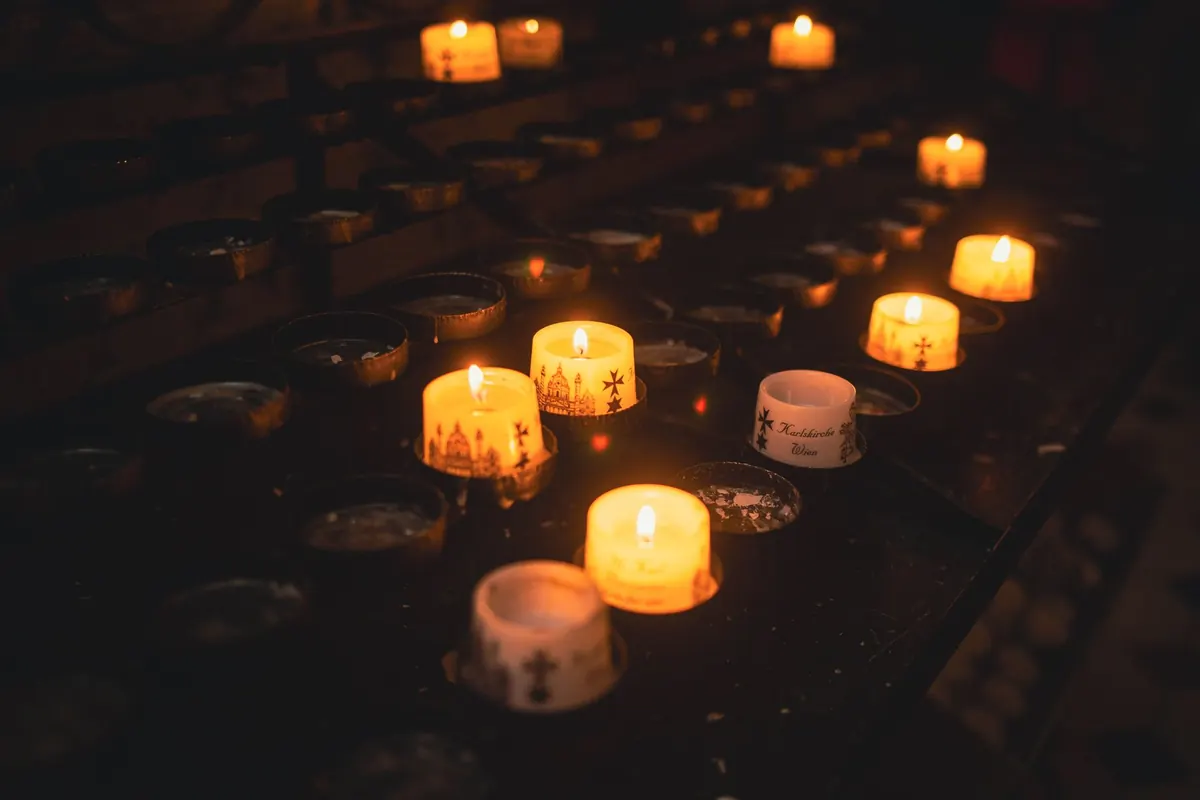
One safety note regardless of material: keep every arrangement well clear of tapers and votives, and confirm the chapel's rules on open flame before you plan around candlelight.
The Cost Question, Over Time
Fresh flowers are a per-event expense. You pay once, they perform once, and then they are compost, or given to guests, or donated — though not every hospital or care home accepts them, so ask first.
Quality artificial flowers cost more per stem than most people expect. The honest math is per use: if a set of arrangements is used three or more times, the artificial route usually comes out ahead. If you're decorating one chapel once, it usually doesn't.
Factor in the hidden costs: storage bins, tissue, a dry place to keep everything, and the hour spent fluffing, dusting, and replacing faded stems before each event. Reuse only saves money if someone actually wants to store and maintain it.
The Hybrid Approach Most Chapels Land On
Use fresh where people are close and light is warm: the altar, the communion rail, the guest book table, anything within arm's reach. Use artificial for what's far away or structurally demanding — arches, pillar pieces, hanging greenery, arrangements in hot window bays, and anything you want to set up the day before.
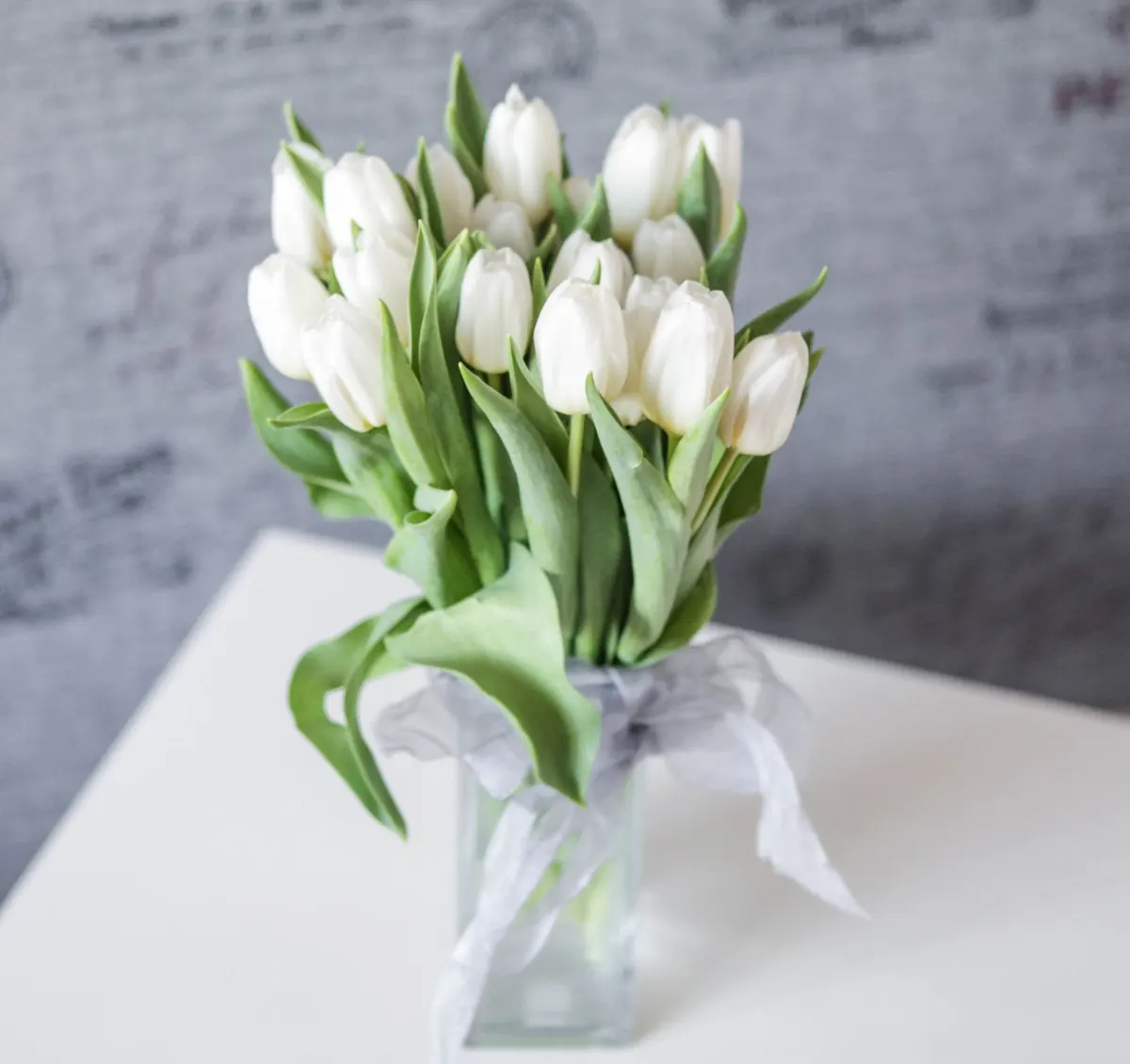
Keep the palette and texture consistent so the switch isn't obvious. Match rose varieties and colors, and carry one type of greenery through both. Under a single color scheme, most guests never notice which pieces are alive.
A short checklist before you commit
- Photograph the chapel at the time of day your event will happen.
- Ask what the chapel allows: hanging points, adhesives, open flame, setup windows.
- Note vents, drafts, and afternoon sun.
- Find out who handles cleanup and disposal.
- Be realistic about how many times you'll reuse artificial stems, and who stores them.
- Hold a sample silk stem next to fresh ones in the chapel's own light.
- Name the person doing setup and takedown, and give them a written plan.
Building a Plan That Survives the Day
Most flower disappointments come from logistics, not material. Fresh flowers need a cool place, a water source, and someone willing to arrive early. Artificial arrangements need a clean, labeled bin and a quick fluffing. Choose the version you can actually pull off, then layer in beauty where it counts.
When you're torn, the rule of thumb is simple: fresh where hands and noses will meet the flowers, artificial where nobody can get close and the sun is unkind. A chapel full of well-chosen arrangements in either material will look better than a mix of both chosen badly.
Photo: Виктория Слободян / Pexels
8 Common Chapel Decorating Mistakes and How to Avoid Them
Eight pew-decorating pitfalls that show up in wedding photos and guest complaints, plus practical fixes...
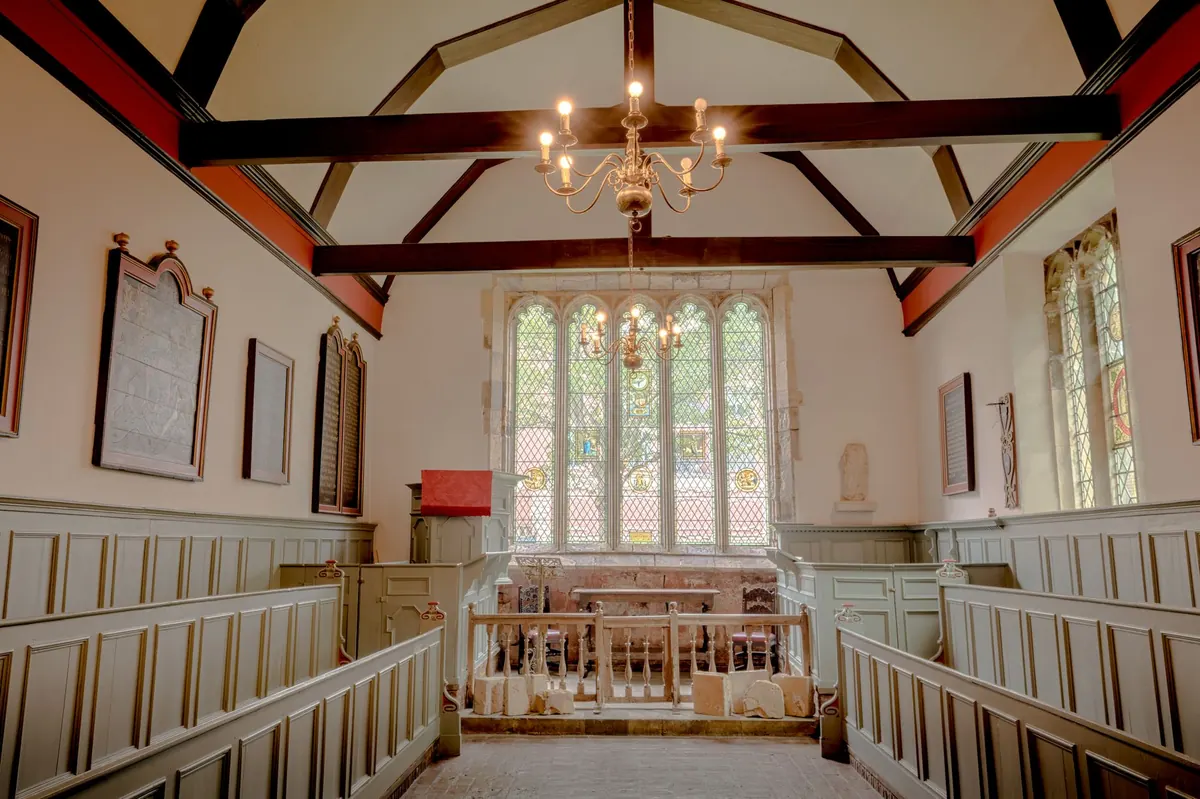
Decorating a Historic Chapel: Preservation-Safe Ideas for Older Buildings
How to decorate historic and protected chapels without harming fragile surfaces — using freestanding...
About Us