8 Common Chapel Decorating Mistakes and How to Avoid Them
Pew decor looks easy from the back of the room. A little greenery, a ribbon, a few blooms, and the chapel decorates itself. Then the photographs arrive and the aisle looks like a hedge maze, the doorway is bare, and one pew end is sagging sideways. Most pew mistakes aren't about taste. They're about clearance, weight, and the things nobody measures until the morning of the event.
Here are the eight errors that come up again and again, with the fix for each one.
1. Overfilling the Pew Ends
Pew ends are narrow, and whatever you build there gets viewed from inches away by every guest who walks past. When an arrangement is too full, the individual flowers disappear and the whole thing reads as one heavy lump. It also catches shoulders, snags sleeves, and sheds petals down the aisle runner.
A useful limit: three elements per pew end. Greenery, one cluster of focal blooms, and one ribbon or textural accent such as dried grasses or a trailing vine. That's it. Let the greenery trail slightly toward the floor instead of spreading sideways into the aisle, and keep the widest point of the design no wider than the pew end itself.
View it from where people actually stand
Don't judge a pew end from a stepladder. Stand beside it, then sit in the pew behind it and look at the silhouette. If the shape only works from above, it won't work at all on the day.
2. Blocking the Aisle
This is the mistake with real consequences. Guests arrive with canes, walkers, wheelchairs, strollers, wide dresses, and arms full of gifts. A pew end that leans into the walkway turns a graceful entrance into an obstacle course, and it's the first thing photographers have to work around during the processional.
Leave at least three feet of clear walking space, measured at the widest point of the arrangement rather than at its base. In a narrow historic chapel, measure before you order anything, and if the aisle is tight, cut the design back rather than hoping people will manage.
- Measure the aisle at its narrowest point, not the average.
- Check both sides. A center-aisle chapel has two edges to clear.
- Angle arrangements toward the pew, not into the walkway.
- Skip anything that hangs below knee height where feet pass.
3. Neglecting the Entry and Threshold Areas
Guests see the entrance first and the pews second, yet the entry is usually the last place decorated. A bare doorway, a naked guest book table, and a dark foyer make the chapel feel unfinished no matter how lovely the aisle looks.
You don't need much. Two matching urns or potted arrangements flanking the main door, a small low arrangement beside the guest book, and a simple ribbon or wreath on the door itself will do more for the overall impression than a fourth variety of flower on the pews. If there's a coat room, a restroom corridor, or a side door guests will use, give each one a single small touch so nobody walks past a blank wall on the way in.
4. Giving Every Pew the Same Treatment
Identical arrangements down forty pews can flatten a room. The eye has nowhere to rest, and the repetition makes the space feel busier than it is. Varying the rhythm also helps you spend where it counts.
- Every other pew: a clean, classic look that halves the cost and the setup time.
- Scaling toward the front: slightly fuller designs on the first few rows where photographs concentrate.
- Reserved-row emphasis: fuller treatment on family rows, simpler greenery elsewhere.
- Height discipline: keep tall elements low or at the back, so nothing blocks the view of the altar during the ceremony.
5. Working Against the Room Instead of With It
A pale blush palette that looked perfect online can go muddy against dark oak pews and warm stone. Before committing, bring one sample arrangement into the chapel and look at it in the actual light, at the actual time of day. Take a photograph with your phone and check it on a small screen, too. Colors that hold up in person sometimes disappear in images.
Ask the church coordinator early about the rules. Many chapels restrict tape, nails, screws, open flame, adhesive putty, and aisle runners, and some have specific attachment points they prefer. Get the answers before you buy hardware, not the week of the event. It's also worth asking about existing furniture, kneelers, hymn book racks, and sloped pew ends, any of which can change how a design hangs.
6. Choosing Attachment Hardware at the Last Minute
Hardware is where beautiful plans fail quietly. A clip that holds in the shop slips on a sloped pew end. A ribbon loop that looks tidy slides down during the ceremony. Test the full weight, not just the empty frame.
- Attach your chosen hardware to a bare pew end and hang the complete arrangement.
- Leave it for an hour, then check for slipping, tilting, or stress marks.
- Walk past it as a guest would, and sit behind it.
- Remove it and inspect the pew for scuffs or sticky residue.
- Adjust the design and repeat once, then buy extras of whatever worked.
Add felt pads where metal meets wood, and use a second anchor point on anything heavier than a small cluster. Bring spare clips, zip ties, and scissors in a labeled box that stays with the setup crew.
7. Ignoring Water, Heat, and Timing
Fresh arrangements assembled the night before can look tired by a late-afternoon ceremony, especially in a warm chapel with sunlight through the windows. Greenery generally holds up better than delicate blooms, and anything with thin petals will show stress first.
Keep finished pieces cool and out of direct sun, transport them upright, and assign one person to check water levels an hour before guests arrive. If the building runs warm, plan to add the most fragile blooms on site rather than the night before. For anything involving ladders, tall urns, or heavy installations, work with people who are comfortable handling the weight and ask about the building's insurance requirements in advance.
8. No Plan for Setup or Teardown
Setup that runs late erodes the calm of the whole morning, and teardown that nobody owns leaves vases and ribbons behind in a dark chapel. Write two short lists: who arrives when, and who takes what home. Include the person returning rented or borrowed items, the one collecting the guest book, and the one doing a final sweep of the pews.
A Final Walk-Through Before You Commit
Ten minutes in the empty chapel will save you a great deal of worry. Enter through the door guests will use. Walk slowly down the aisle, brushing the space where a shoulder would pass. Sit in the fifth row and look forward, then turn and look back at the pew ends behind you. Stand near the altar and scan the room as the ceremony will be photographed.
Then fix what you noticed while it's still easy: trim the overfilled ends, pull the arrangement back from the aisle, add something to the doorway, and write down who does what. Good pew decor doesn't announce itself. It just makes the room feel cared for, and lets everyone walk in without ducking.
Photo: Jonathan Borba / Pexels
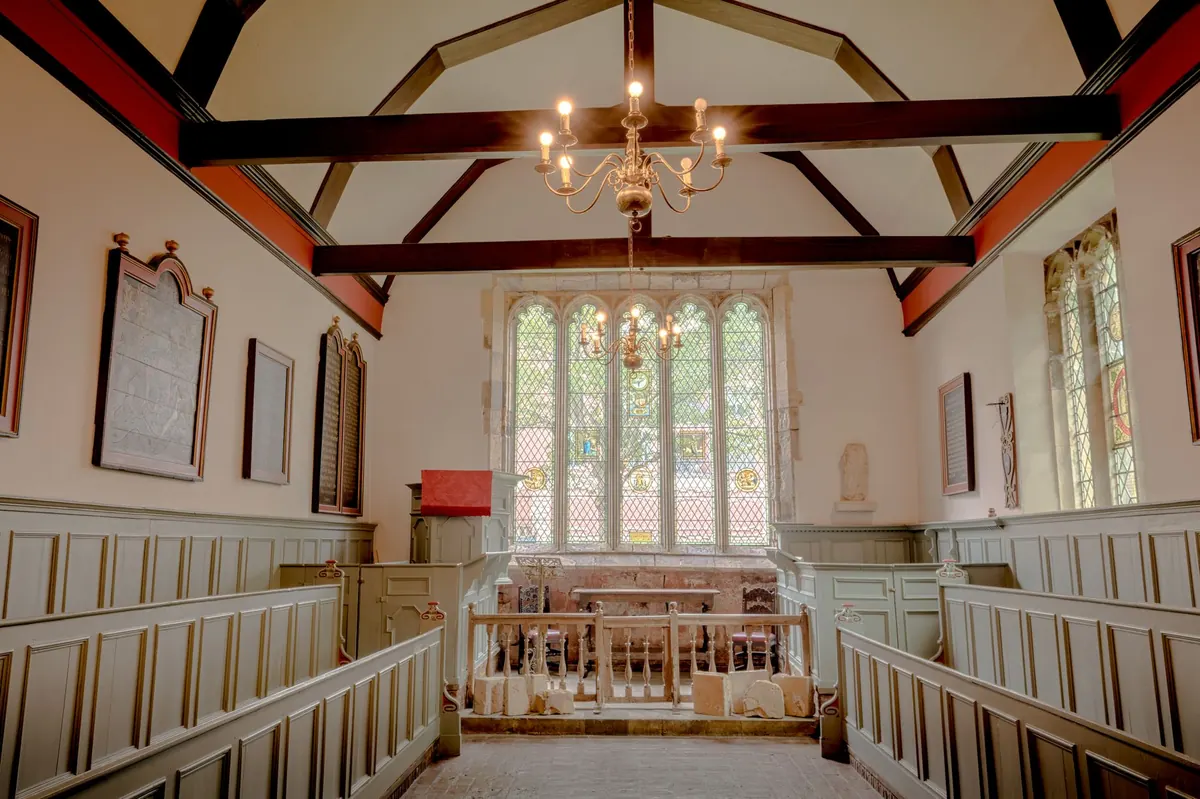
Decorating a Historic Chapel: Preservation-Safe Ideas for Older Buildings
How to decorate historic and protected chapels without harming fragile surfaces — using freestanding...
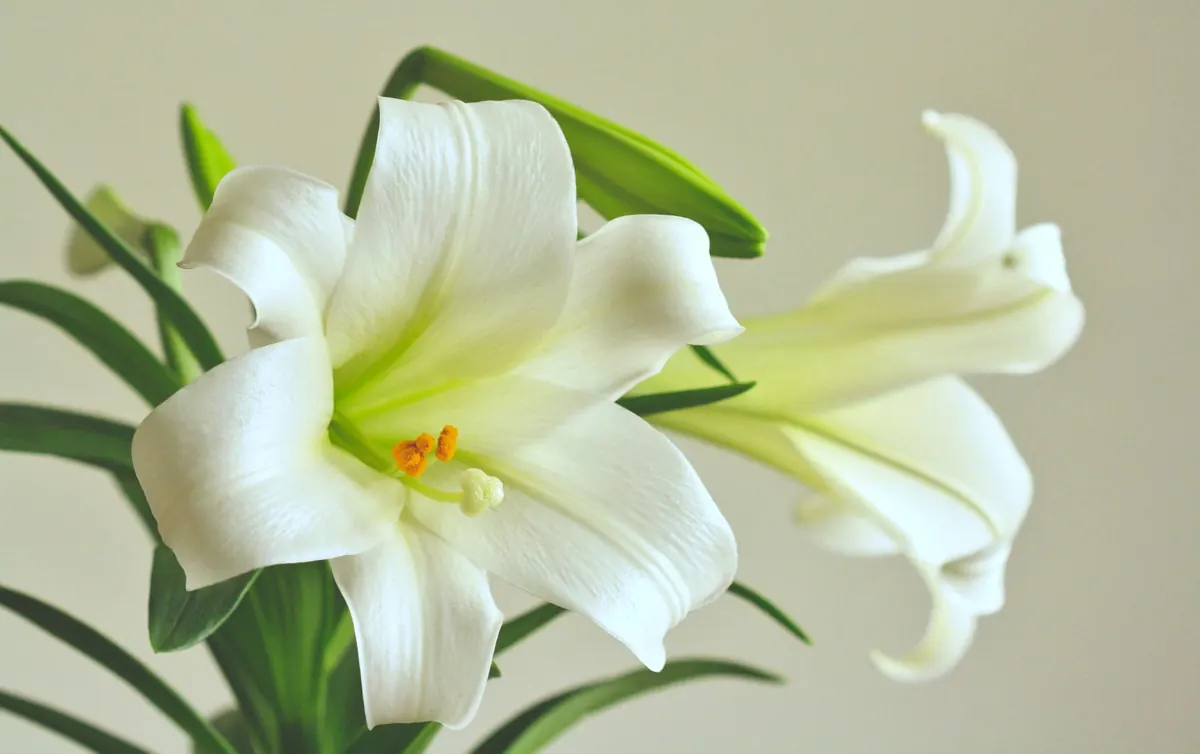
Easter Chapel Decor: Lilies, White Drapes, and Spring Palettes
Fresh lilies, white drapes, and pastel palettes turn a chapel into a spring sanctuary. Here's how to...
About Us