Christmas Chapel Decor: Advent Wreaths, Greens, and Garland
A chapel is not a living room. The proportions are bigger, the sightlines longer, the light quieter. Decor that feels generous at home can look thin in a nave, and decor that feels cheerful at home can look loud beside an altar. The good news is that Advent and Christmas ask for very little: an Advent wreath, fresh evergreen garland, and a few well-placed poinsettias will carry the entire season when they are placed with care.
Read the Room Before You Buy Anything
Walk the space the way a visitor does. Stand at the back door, sit in the last pew, and look toward the front. Anything below eye level tends to vanish, which is why low arrangements on the floor of a wide center aisle rarely register. Note the fixed elements you cannot move: the altar or communion table, the lectern, the font, the window sills, the door frames.
Then note the practical ones. Where do people walk? Where are the heat vents that will dry out greens in a week? Where are the outlets, and are any of them on a switch that gets turned off each night? Where does the video camera or the livestream look? A wreath that reads beautifully in person can become a dark blob on a screen if it is backlit by a bright window.
Choose two or three focal points and commit to them. A chapel decorated with intention in three places will always look better than one with a small touch in fifteen.
The Advent Wreath: The Season's Anchor
The wreath is the piece people watch change week by week, so it deserves the best spot you have — usually a side table near the altar, a low stand in the chancel, or a suspended ring above the aisle if your space allows.
Base and greens
Start with a ring that matches the scale of the room. As a rule of thumb, a wreath should read clearly from the middle of the room; if you cannot see the candle colors from there, it is too small. Build on damp floral foam or a well-soaked moss base, then layer greens rather than using a single variety. Cedar, noble fir, and pine together give depth that one type alone cannot.
Cover the mechanics completely. Visible foam, wire, and plastic clips undo the effect faster than almost anything else. If the wreath sits on wood, use a liner or a tray — a water ring on a walnut table is a permanent reminder of a careless December.
Candles and proportion
Most traditions use three violet or blue candles and one rose, lit on the third Sunday, with a white candle at the center for Christmas. Whatever your practice, keep the candles tall enough to survive four weeks of burning and set them in sturdy holders. A wreath that has to be rebuilt halfway through Advent has lost its purpose.
- Use drip guards under each candle; wax on fresh greens is difficult to remove.
- Keep flame well clear of needles — trim greens back a few inches from each candle.
- Never leave a lit wreath unattended, and keep a small extinguisher nearby if open flame is used.
- Battery-operated candles are a reasonable choice in drafty chapels or where children and candles share a room.
Evergreen Garland: Lines That Guide the Eye
Garland does the structural work. It frames doorways, softens railings, and draws attention forward along the aisle. Instead of one thin strand, wire together two or three strands of different greens, then tuck in magnolia leaves, berried branches, or small pinecones for texture. Fluff it outward as you hang; garland hung straight from the box always looks flat.
Hanging without damage
Small cup hooks screwed into the underside of a wooden railing are the cleanest solution and disappear when the season ends. On finished surfaces, use removable adhesive hooks rated well above the weight of the garland — greens are heavier than they look, especially after misting. Fishing line works for suspending swags across a chancel, and thin green florist wire hides itself in the needles.
For lighting, choose warm-white LED strands, check every cord before it goes up, and run no more than the manufacturer's recommended number of strands together. Use timers so the chapel is not lit all night. If you want permanent wiring in a historic building, bring in a licensed electrician rather than improvising.
Poinsettias and Living Accents
Poinsettias earn their place because they hold color for weeks with almost no attention. Buy plants with tight, yellow-green centers rather than ones already shedding pollen, and remove the paper sleeves as soon as they arrive so the leaves can breathe.
Group them rather than lining them up. Clusters of three or five, raised on boxes or urns and set at slightly different heights, look far better than a single row of identical pots. Water when the surface of the soil feels dry, let pots drain fully, and never leave them standing in water. Keep them out of cold drafts and away from heat registers. Poinsettias are mildly irritating if chewed, so place them out of reach where children or pets might nibble.
Other living accents worth considering: white cyclamen for cool entryways, ivy topiary for symmetry at the doors, and amaryllis or paperwhites for the altar area. Paperwhites are fragrant enough that some congregations find them overpowering in a small space, so test them in a side room first.
Color, Balance, and Restraint
Decide on a palette and hold it. Deep green, crimson, blue or violet, warm white, and brass will carry you from the first Sunday of Advent through Christmas Day without a single change. Add gold sparingly and skip heavy glitter, which flares under video lights and reads as plastic in person.
Repeat elements instead of multiplying them. The same wreath design on the two main doors, the same garland on every railing, the same pot and ribbon behind the altar. Repetition creates rhythm; variety creates clutter.
Decorate the room you actually have, not the one in the catalog.
Setting Up in the Right Order
- Clear and clean the space, including the storage room where the boxes will live.
- Hang anything overhead first — swags, suspended wreaths, ceiling hooks.
- Install garland on railings, doors, and window frames.
- Add lights, testing each run before it is fixed in place.
- Set the Advent wreath and check it from the back pew.
- Place poinsettias and other plants last, once traffic patterns are clear.
- Leave a watering can, mister, and spare candles within easy reach.
Caring for It All Through the Season
Fresh greens are thirsty. In dry, heated buildings they may need misting every other day and a check for crisp needles weekly. Replace any section that browns rather than trying to disguise it. Poinsettias need water only when the soil surface dries; overwatering kills more of them than cold does.
Keep open flames away from greenery, never leave candles burning unattended, and confirm that extension cords are not running under rugs or across walkways. After Christmas, compost fresh materials, store artificial garland in labeled bins, and write a short note about what worked and what did not. Next November, that note will save you an afternoon.
A Chapel That Breathes
Advent is a season of waiting, and the decoration should allow for that. Start simply, with greens and four unlit candles, and let the chapel grow brighter as the weeks pass. Add white flowers and the center candle at Christmas, then enjoy the fullness of the season before the quiet of January. When the room is calm, the wreath and the garland do their work — and no one notices the decor, only the space it created.
Photo: cottonbro studio / Pexels
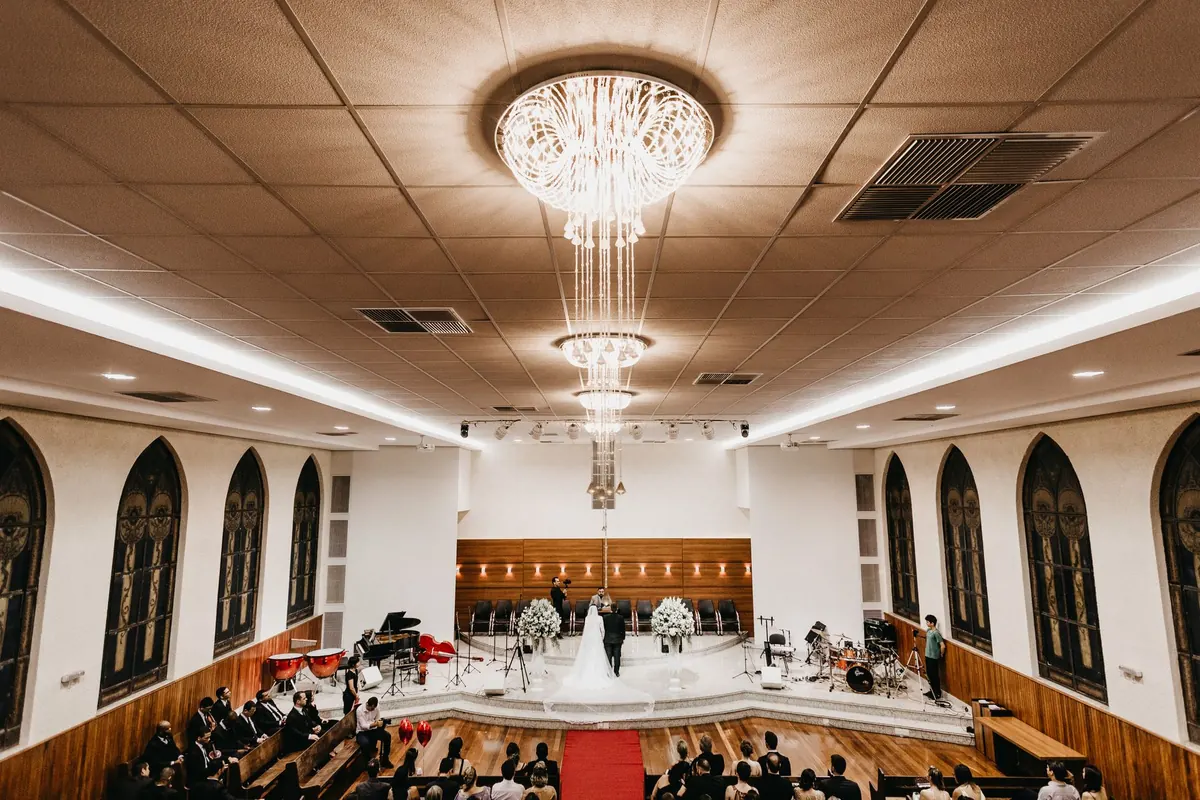
8 Common Chapel Decorating Mistakes and How to Avoid Them
Eight pew-decorating pitfalls that show up in wedding photos and guest complaints, plus practical fixes...
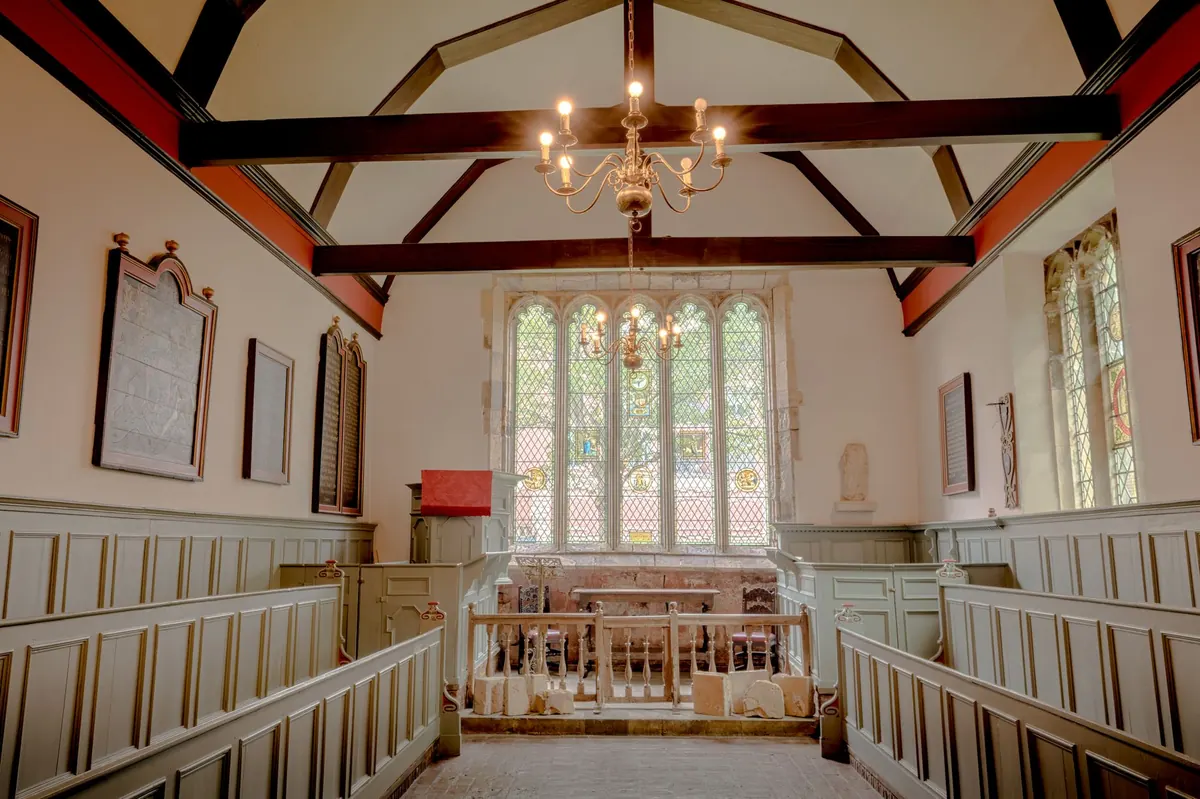
Decorating a Historic Chapel: Preservation-Safe Ideas for Older Buildings
How to decorate historic and protected chapels without harming fragile surfaces — using freestanding...
About Us