Chapel Lighting 101: Warm vs. Cool Light for Ceremonies and Photos
A chapel can be two different rooms depending on the hour. Same pews, same stone, same flowers — but at four o'clock on a November afternoon the light is honeyed and close, and at noon in June it is bright enough to feel almost clinical. That shift is mostly color temperature, and it is the most useful thing to understand before you buy fixtures, swap bulbs, or brief a photographer.
Warm and cool light are not good and bad. They are tools with different jobs. Here is how to tell them apart, predict what they will do to a ceremony, and keep them from fighting each other in photos.
Color Temperature, Explained Without the Physics
Color temperature is measured in kelvin (K). It describes how warm or cool a light looks, not how bright it is. A candle and a bulb can sit at the same brightness and feel like different seasons.
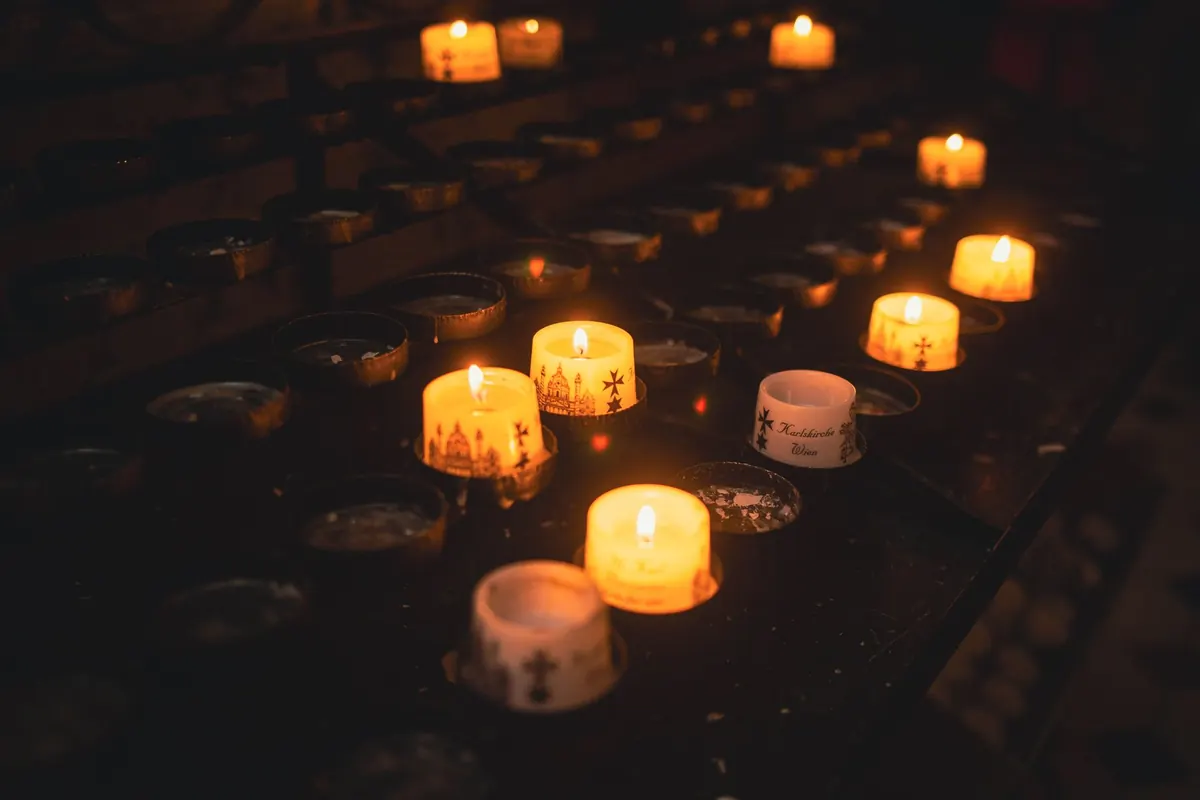
- 1800–2200 K: candlelight and firelight. Deep amber, intimate, dramatic.
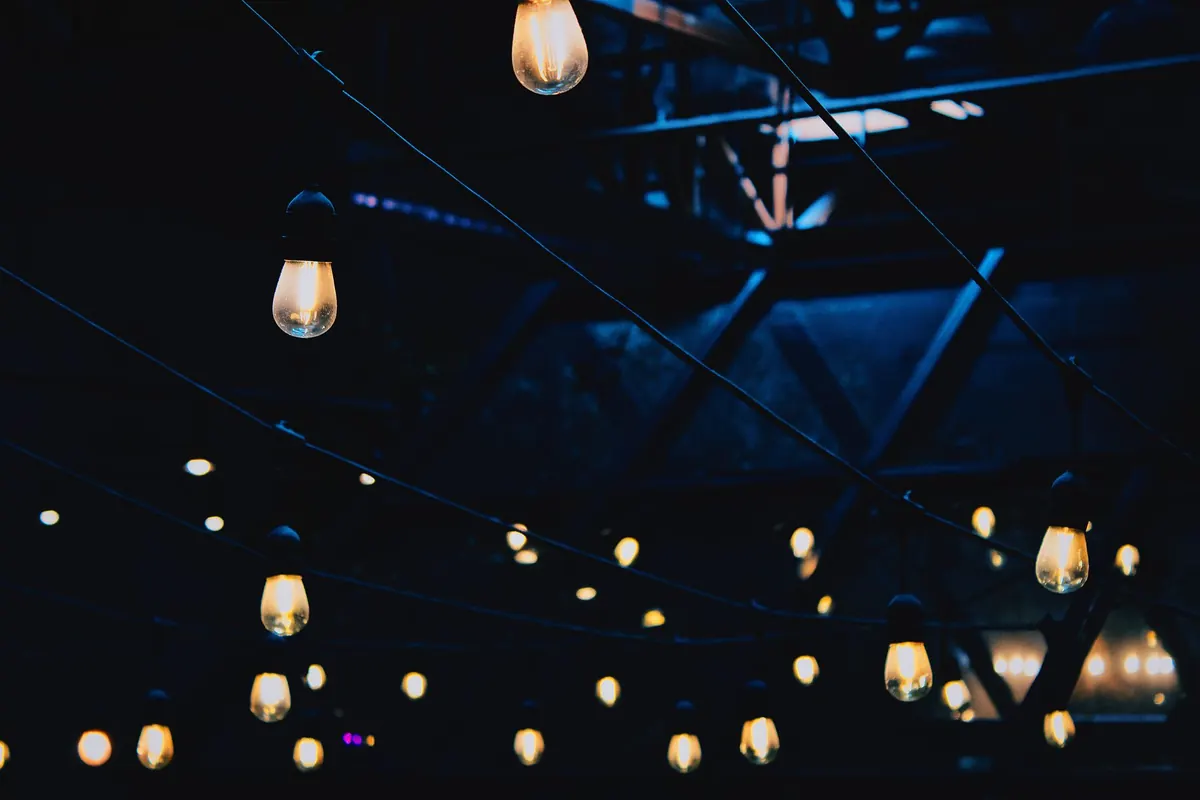
- 2400–2700 K: warm white. Table lamps and most vintage sconces. Cozy but readable.
- 3000–3500 K: soft white. The safe middle ground for gathering spaces.
- 4000–4500 K: neutral to cool white. Offices, gyms, big-box stores.
- 5000–6500 K: daylight and overcast sky. Blue-leaning, crisp, clinical indoors.
The counterintuitive part: the lower the number, the warmer the light. If a supplier promises "3500K for a warm chapel feel," ask to see it on site after dark. Numbers on a box rarely survive contact with old stone.
Watch one more spec: color rendering, or CRI. Fixtures rated 90 and above render skin, flowers, and wood grain more faithfully. Two lamps both labeled 2700 K can look completely different on a bride's face.
What Warm Light Does to a Chapel
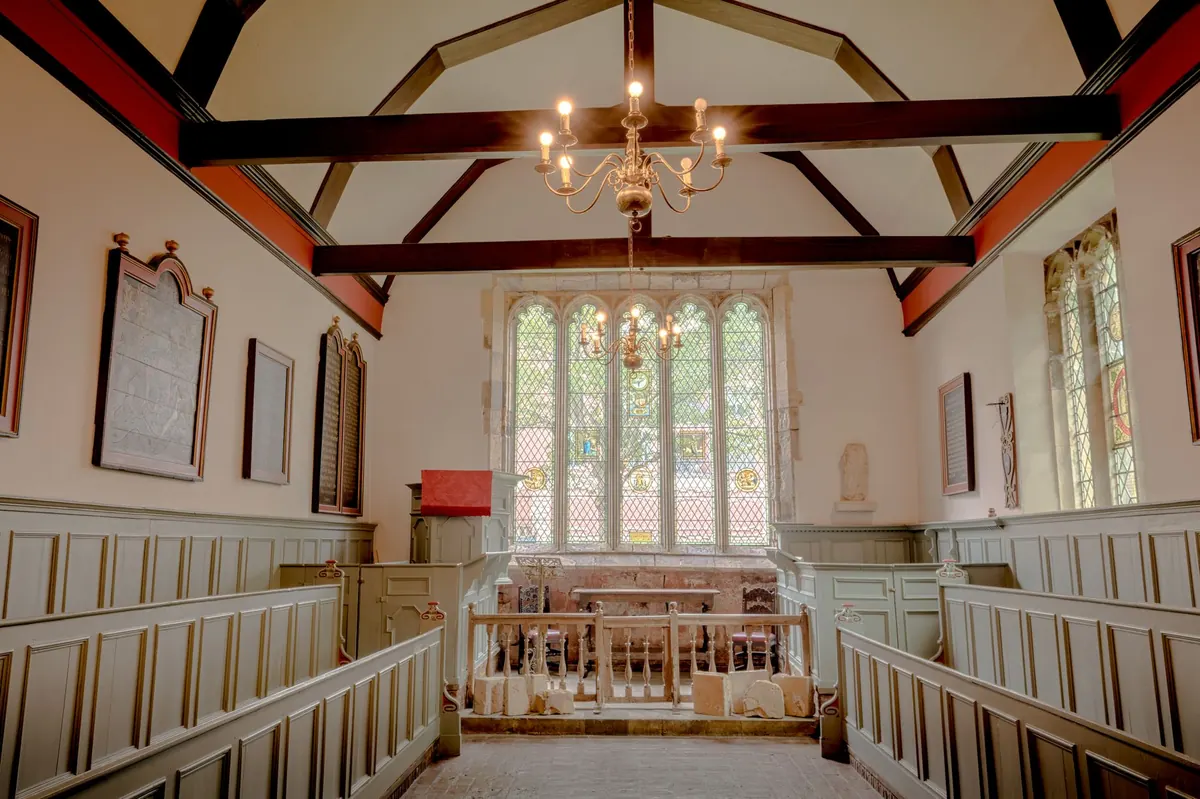
Warm light pulls a room inward. It flatters wood, brass, brick, and most skin tones, and its amber highlights give arches and beams a dimension that flat, even light erases. In a small chapel, low-level 2400–2700 K can make twenty rows of pews feel like a much older, quieter building.
It is also forgiving in photographs, tending to add a flush to skin and a glow to greenery. Where it goes wrong is when it is everywhere. An all-warm scheme with no contrast turns muddy: white plaster goes cream, silver goes yellow, and a pale gray gown picks up a cast nobody planned for. Warmth works best as direction — pools of light on the altar, aisle, and florals — rather than a blanket.
What Cool Light Does to a Chapel
Cool light opens a space up. It reads as clean and awake, and it is honest about materials: white plaster stays white, marble stays cool gray, glass and metal pick up glints instead of going gold. Glass-walled sanctuaries and morning services often look better cool than warm.
The risk is skin. Blue-leaning light can gray a face and make shadows look harder than they are, especially on video. Cool light also refuses to blend. Put 5000 K fixtures next to 2700 K sconces and you get two rooms in one frame — an orange half and a blue half, with a visible seam down the middle pew.
Reading the Room Before You Choose
Spend an hour in the chapel at the time of day your ceremony will happen. Bring a notebook and a phone camera set to auto white balance.
Time of day and window orientation
East-facing glass floods a morning service with cool daylight and backlights the altar by ten. West-facing glass does the opposite: flat and gray most of the day, then gold an hour before sunset. A 3 p.m. winter ceremony lives inside that golden hour. An 11 a.m. service works against daylight and needs fixtures that can hold their own.
Materials and finishes
Warm woods, terracotta, and aged brass absorb cool light and reward warm. Painted plaster, marble, and stainless steel bounce whatever you give them, so cool stays cool. Dark ceilings swallow light of any temperature, so plan for more fixtures rather than warmer ones.
Sources you cannot change
Note every light you are stuck with: recessed cans, exit signs, an amber hallway, the vestibule glow. Those are the ones that will appear in the photos.
Lighting for Photographs and Video
A camera sets one white balance for the whole frame. Your eye adjusts as it moves around the room; the camera does not. That is why mixed color temperature — not insufficient light — is the most common problem in chapel photos.
- Keep one color temperature per view. If the altar area is 2700 K, do not add a 5000 K uplight behind it.
- Watch for flicker. Inexpensive LEDs and old fluorescents can band at fast shutter speeds. Test with a camera, not your eye.
- Check dimming behavior. Many LEDs drift warmer or greener as they dim. Ask for dim-to-warm fixtures if you want candlelight at low levels.
- Shoot three test frames. One person at the altar, one mid-aisle, one in the back row, at the ceremony hour. That trio beats any spec sheet.
Rule of thumb: one color temperature per view, and let strong daylight be the boss.
If the fixtures cannot change, the plan can: move the ceremony earlier, draw a curtain, or have the photographer bounce a warm, controlled flash off a neutral surface to match the room.
A Practical Setup, Layer by Layer
- Ambient: 2700–3000 K wall washes or uplights at low level, to give the room shape without flattening it.
- Focal: a tighter beam on the altar, lectern, or unity table, brighter than ambient by a stop or two.
- Aisle: pew-end or floor-level fixtures to guide the procession and light faces as they pass.
- Accent: small spots on florals, banners, or the cross, aimed so nobody sees the source.
- Practical: candles and sconces that reinforce the warm story and give the eye something human to land on.
Keep the focal and accent layers within about 500 K of each other. Close enough to feel intentional, far enough apart to give dimension.
The Week Before: A Short Checklist
- Every bulb within a single view matches in color temperature.
- Dimming levels are set and marked, not improvised on the day.
- Exit signs, hallway lights, and stray fixtures are shaded, switched, or covered.
- The photographer knows where the light is warm, where it is cool, and where the two meet.
- Someone is assigned to walk the room ten minutes before guests arrive.
Warm light draws people close; cool light gives a room clarity. Most chapels need both, in the right places and the right proportions — and the only way to know which is which is to stand in the room and look up.
Photo: Ervick / Pexels
8 Common Chapel Decorating Mistakes and How to Avoid Them
Eight pew-decorating pitfalls that show up in wedding photos and guest complaints, plus practical fixes...
Decorating a Historic Chapel: Preservation-Safe Ideas for Older Buildings
How to decorate historic and protected chapels without harming fragile surfaces — using freestanding...
About Us